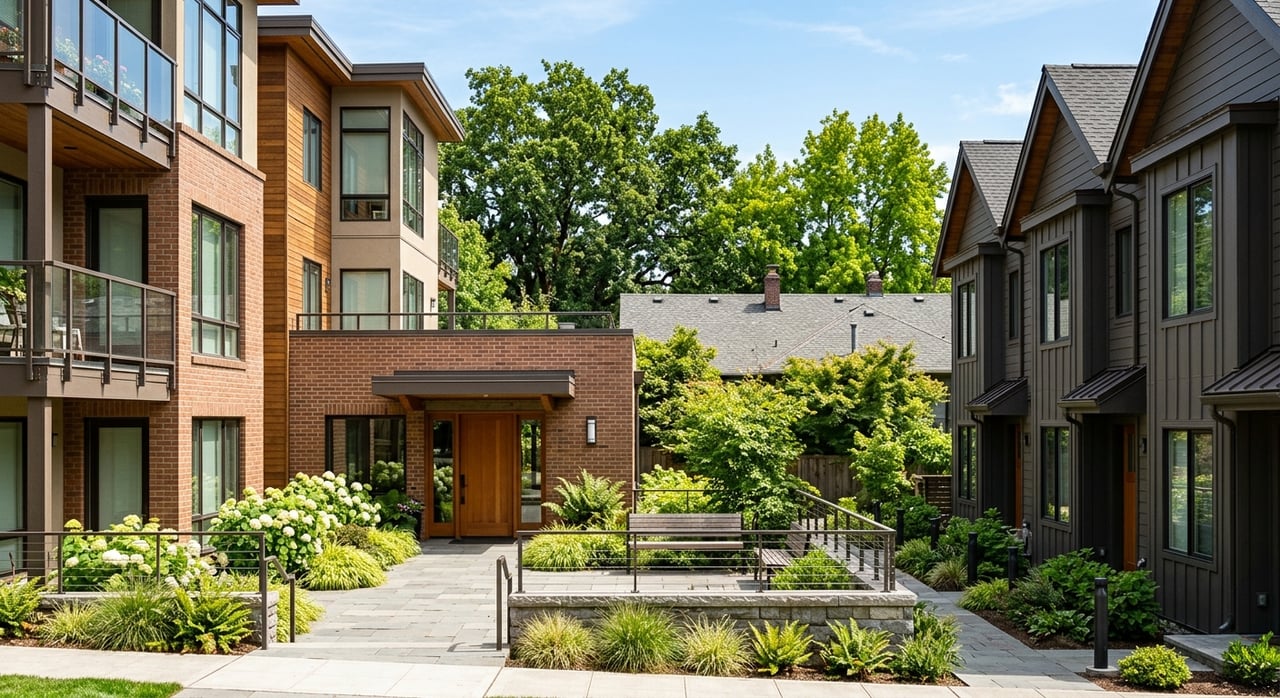
Looking at Union City and wondering which part of town actually fits your lifestyle? That is a smart question, because this city may be compact, but it offers a few very different housing experiences depending on where you search. If you want a clearer picture of where condos, townhomes, and single-family homes tend to cluster, this guide will help you compare the main pockets of Union City and the kind of neighborhood feel each one offers. Let’s dive in.
Union City at a Glance
Union City is a compact East Bay city covering 19.18 square miles, with an estimated population of 65,282 as of July 2025. Census QuickFacts also show a 64.7% owner-occupied housing unit rate, a median household income of $133,715, and a median value of owner-occupied homes of $1,104,900.
The city describes itself as a small, culturally diverse, transit-oriented community. That matters when you start comparing areas, because Union City’s official planning documents are organized more by districts and special areas than by a rigid neighborhood map. In other words, the city feels less like a patchwork of dozens of named neighborhoods and more like a handful of distinct housing pockets.
Where Condos and Townhomes Are in Union City
If you are searching for attached housing in Union City, two areas stand out most clearly. These are the places where city planning documents point to higher-density housing, mixed-use projects, and infill development.
Station District Near BART
The Station District is Union City’s clearest cluster for condos, townhomes, apartments, and mixed-use housing. The city describes it as a 471-acre transit-oriented community centered on the Union City BART station, with 1,700 housing units built or entitled next to BART.
Within this district, the housing mix includes family apartments, lofts, and higher-density mixed-use projects such as Station Center, Union Flats, Windflower 2, Avalon Bay, and Verandas. The city’s planning materials also note that lower-density parts of the district can support townhomes, while higher-density sites are suited for stacked apartments and condominiums.
For many buyers, the feel here is the most urban in Union City. You are more likely to notice a denser street pattern, stronger transit access, nearby shopping, and a layout built around convenience rather than large private yards.
That does not mean the area feels all concrete and hardscape. The city also notes nearby parks and the Dry Creek Nature Preserve, which add some outdoor balance to the district. Still, if your priorities include BART access and a more walkable daily routine, this is usually the first place to look.
Historic Alvarado and Mission Corridor
A second attached-housing pocket is the Historic Alvarado, Mission Boulevard, and Whipple Road corridor. City special-area documents describe Historic Alvarado as one of the oldest parts of Union City, with historic buildings concentrated around Smith Street and single-family homes north of Smith Street dating back to the 1880s.
Planning documents for the area suggest that future infill can include townhouses at the lower-density end, with apartments and condominiums at the higher-density end. That gives this corridor a different feel from the Station District.
Instead of reading as commute-first and transit-centered, this area tends to feel more historic, pedestrian-oriented, and mixed in character. If you like the idea of attached housing but want something with a bit more old-town identity, this corridor may feel more appealing.
Where Single-Family Homes Tend to Cluster
If your search is focused on detached homes, Union City also has several pockets that feel more traditional and less dense. These areas generally offer a more established residential setting than the BART-adjacent core.
Decoto and Old Alvarado
Decoto and Old Alvarado are the city’s most clearly protected single-family areas. Union City’s Land Use Element says the city should preserve the single-family character and historic structures of both neighborhoods, and its zoning descriptions note that low-density residential designations are intended for single-family detached uses.
The city’s 2023 housing-element materials also note that the R-5000 district is limited to Decoto and was designed to encourage small-lot, single-family building sites. In practical terms, these areas often read as older and more established than newer infill areas.
You are more likely to find traditional front yards, street trees, and a stronger sense of neighborhood identity here. For buyers who want a detached home in a part of Union City with longer-standing residential character, these areas often rise to the top.
The 511 Area on the West Side
Another largely detached-home pocket is the 511 Area on the western side of the city. Union City’s multifamily design guide describes this district as primarily developed with single-family residences, with lower-density multifamily housing allowed only conditionally.
The city also notes that much of this area is already built out. That helps explain why it can feel more settled and less growth-oriented than the Station District.
If you picture a more conventional suburban environment with fewer taller buildings and a more purely residential setting, the 511 Area may be a better fit than BART-adjacent housing. For many buyers, this is where Union City feels most traditionally suburban.
Seven Hills and Hillside Areas
If you want a quieter, greener setting, the Hillside and Seven Hills side of Union City stands apart. The city’s Land Use Element says the Hillside Area north and east of Mission Boulevard is largely undeveloped and includes Dry Creek Pioneer Regional Park.
City planning for the area emphasizes preserving natural appearance, open space, and harmonious cluster development. A more recent project description also says the Seven Hills residential neighborhood contains more than 100 single-family homes.
This area tends to feel more like the edge of the city than the center of it. It is less about walkability and mixed-use convenience, and more about a hillier setting, open-space access, and a calmer residential feel.
How the Neighborhood Feel Changes by Area
One of the easiest ways to compare Union City housing types is to think about what you want your day-to-day routine to feel like. Even in a relatively small city, your experience can shift a lot from one pocket to another.
For a Commute-First Lifestyle
If rail access and convenience matter most, the Station District is usually the strongest match. It was planned as a transit-oriented district, and that purpose shows up in the density, housing mix, and overall layout.
This area often works well for buyers who are open to condos, apartments, loft-style living, or townhomes and who value proximity to BART over larger lots. It is the clearest example in Union City of a location where transit shapes the housing pattern.
For Older Character
If you are drawn to established areas with a longer local history, Old Alvarado and Decoto are worth a close look. City planning documents specifically call out the preservation of single-family character and historic structures in these areas.
That does not mean every home is historic, but it does point to a neighborhood feel that is more rooted and recognizable. Buyers who want a stronger sense of place often respond to these parts of town.
For a Classic Suburban Feel
If your goal is a more conventional detached-home environment, the 511 Area is one of the best places to consider. It is primarily single-family, more built out, and less defined by high-density infill.
That often translates to a more settled residential atmosphere. If you want Union City without the denser station-area feel, this pocket is a practical place to focus your search.
For More Open Space
If you want a greener, quieter setting, Seven Hills and the Hillside area stand out. City planning emphasizes natural appearance and open space here, which creates a different mood from the flatter, more transit-centered parts of town.
For some buyers, that tradeoff is exactly the point. You may give up some of the walkable, mixed-use feel of the Station District, but you gain a more edge-of-city setting with hillside character.
How Union City Compares With Fremont and Newark
Many East Bay buyers compare Union City with both Fremont and Newark, especially if they want to stay in the same general commute zone. According to official city profiles, Union City feels more compact and concentrated than Fremont.
Fremont is much larger and organized into five named districts: Centerville, Niles, Irvington, Warm Springs, and Mission San Jose. By comparison, Union City concentrates much of its newer housing around the Station District and a smaller number of clearly differentiated residential pockets.
That usually means Fremont offers a broader mix of neighborhood personalities and more large single-family areas, while Union City offers a tighter, easier-to-grasp set of choices. If you want a city where attached housing near transit plays a bigger role, Union City often stands out.
Compared with Newark, Union City tends to feel more rail-oriented and mixed-use. Newark’s city profile emphasizes small hometown charm and access to I-880 and the Dumbarton Corridor, while Union City emphasizes BART and a transit-oriented Station District.
For buyers, that can make the comparison pretty practical. Union City may be the better fit if you want attached housing and BART convenience, Fremont may suit you if you want the widest range of neighborhood types, and Newark may appeal if you prefer a smaller, road-connected suburban setting.
What This Means for Your Home Search
Union City is not one-note. Even though it is smaller than some nearby cities, it offers a meaningful mix of housing styles and neighborhood experiences.
If you want condos, townhomes, or a denser mixed-use setting, start with the Station District and then consider the Historic Alvarado and Mission corridor. If you want detached homes and a more traditional residential feel, focus on Decoto, Old Alvarado, the 511 Area, and Seven Hills.
The key is matching your search to how you want to live, not just what type of property you want to buy. A condo near BART and a single-family home near the hillside can both be in Union City, but they can feel like very different versions of the city.
If you want help narrowing down which part of Union City fits your goals, budget, and daily routine, Moni Shah offers personalized guidance across Union City, Fremont, and nearby East Bay communities.
FAQs
Where are most condos and townhomes in Union City?
- The clearest attached-housing cluster is the Station District near BART, with another key pocket in the Historic Alvarado, Mission Boulevard, and Whipple Road corridor.
Which Union City areas have more single-family homes?
- Decoto, Old Alvarado, the 511 Area, and Seven Hills or the Hillside area are the main pockets associated with detached single-family homes.
What does the Station District in Union City feel like?
- The Station District generally feels more urban, transit-oriented, and mixed-use than other parts of Union City, with denser housing and strong BART access.
Which Union City area feels quieter and greener?
- Seven Hills and the Hillside area are the best fit if you want more open space, a hillier setting, and a quieter edge-of-city feel.
How is Union City different from Fremont and Newark?
- Union City is more compact and more centered around BART-oriented housing than Newark, while Fremont offers a larger city footprint and a broader range of established district identities.