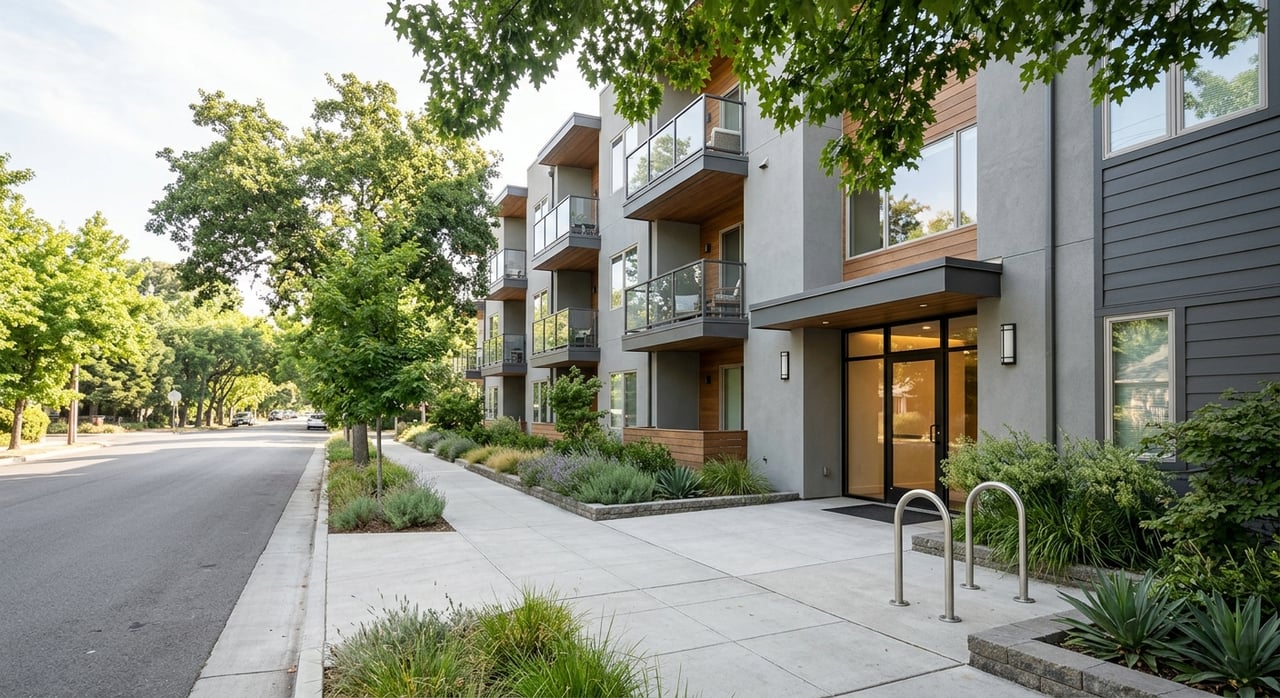
Wondering if living near Fremont BART could make your daily routine easier without giving up the comfort of Fremont? If you want faster regional access, more nearby errands on foot, and a neighborhood with a more connected feel, this part of the city deserves a closer look. The station area is not a perfect car-free environment, but it offers one of Fremont’s clearest car-light living options along with a growing mix of housing and amenities. Let’s dive in.
Fremont BART at a glance
Fremont Station is the city’s main regional transit hub in central Fremont, serving BART’s Green and Orange line patterns. It also connects with AC Transit, bike facilities, BikeLink lockers, and station parking.
That mix matters if you want flexibility in how you get around. You may use BART most days, but still have bus, biking, or driving as backup depending on your schedule.
Commute access from Fremont Station
One of the biggest reasons people consider living near Fremont BART is regional reach. According to BART’s Fremont transit-oriented development materials, the station offers one-seat service to Oakland, San Francisco, Berkeley, and San José.
Example trip times help show what that means in real life. BART cites about 35 minutes to 19th Street/Oakland, 45 minutes to Downtown Berkeley, 45 minutes to Embarcadero, and 20 minutes to Berryessa/North San José.
If you commute across the Bay or toward the South Bay, that level of access can simplify your week. It also gives you more flexibility if your job, school, or regular appointments are spread across different parts of the region.
Getting to the station
Fremont Station supports more than one commute style. In BART’s 2024 station profile, 22% of riders walked to the station, 9% used bus transit, and 7% biked or used an e-scooter.
Those numbers suggest the area already supports a mix of access patterns beyond driving alone. The station’s intermodal area also supports eight AC Transit routes, a Stanford shuttle route, and several employer shuttles, including Transbay Route U to and from Silicon Valley.
Parking and station access today
If you still plan to drive to BART some days, current station conditions are worth noting. BART lists daily parking at $3.40, and about 750 of roughly 1,900 parking spaces are temporarily closed through February 2027 because of track reconstruction.
That does not make the station unusable, but it may affect your routine. If parking availability matters to you, it is smart to think beyond driving and consider whether your housing choice gives you the option to walk, bike, or use a bus connection.
What housing looks like near Fremont BART
The station area is not just a park-and-ride lot surrounded by one housing type. BART describes the surrounding area as a mix of one- to six-story buildings, with residential uses on the north and east sides and a blend of civic, medical, commercial, and high-density residential uses on the west side.
In practical terms, that means you will find a more varied housing pattern here than in many purely single-family sections of Fremont. The area includes single-family homes, walk-up apartment buildings, and an increasing number of mixed-use and multifamily forms.
A district shaped by transit-oriented growth
City planning documents make it clear that Fremont treats this area as a transit-oriented district. Downtown Fremont covers about 110 acres within a broader 430-acre City Center plan, and the city says it has invested heavily in creating a walkable environment with pedestrian connections to the station.
The city’s transit-oriented development overlays apply within about half a mile of Fremont and Warm Springs stations. Their purpose is to support transit use through density, land-use mix, building form, and design.
For buyers and investors, that matters because it signals long-term direction. This is not a static area. It is a part of Fremont that is intentionally evolving.
Daily life near Fremont BART
Lifestyle is where this location stands out. If you want a home base where errands, recreation, and transit can fit into a tighter radius, the Fremont BART area offers more everyday convenience than many suburban pockets.
BART’s station-area materials place Gateway Plaza about 0.2 miles from the station, with Raley’s, Walgreens, a movie theater, coffee, and dining. Whole Foods is about 0.5 miles away, Smart & Final is about 0.6 miles away, and Fremont Hub is about 1.1 miles away with Target, Trader Joe’s, Safeway, CVS, and other retail.
Parks, library, and community spaces
You are also close to major public amenities. Central Park, Lake Elizabeth, Fremont’s Main Library, playgrounds, sports facilities, and a water park are about 0.5 miles from the station.
That can make a real difference in your weekly routine. You may be able to combine commuting, grocery runs, workouts, and weekend downtime without needing to cross town for every activity.
A more urban Fremont feel
The City of Fremont describes Downtown and City Center as an active district with 15,000 residents and 50,000 employees within a one-mile radius. The city also highlights grocery options within walking distance, nearby medical providers, and community gathering spaces like the Downtown Event Center and Plaza.
Taken together, those details point to an area that feels more mixed-use and active than many other parts of Fremont. You still see auto-oriented elements, but you also get a stronger sense of local density and day-to-day convenience.
Who may enjoy living here most
Living near Fremont BART can work well if your priorities center on convenience, connectivity, and housing choice. It may be especially appealing if you want easier access to Oakland, San Francisco, Berkeley, or San José without relying on a long freeway drive every day.
This area may also fit buyers who are open to condos, townhomes, apartments, or newer mixed-use housing close to daily services. For some households, the tradeoff is worth it: less dependence on driving in exchange for a busier, more connected setting.
Good fit for car-light routines
If you value the option to walk to groceries, pick up coffee, reach BART, or spend time at Central Park without getting in the car, this area has real appeal. BART’s access data supports that many riders already reach the station on foot, by bus, or by bike or scooter.
That does not mean every errand will be walkable. It does mean this part of Fremont offers a stronger foundation for a car-light lifestyle than many lower-density neighborhoods.
Good fit for investors and future-focused buyers
The area’s ongoing development may also interest investors and buyers thinking long term. In 2024, the city approved two downtown projects in the Fremont Hub and Gateway Plaza area that will add over 500 multifamily units, community amenity space, and new retail.
The city says that when complete, those projects will add about 1,500 new housing units and 27,000 square feet of commercial space along Capitol Avenue. That signals continued change in the station-area environment, with more housing options and a broader commercial base over time.
Things to consider before you buy
A good location fit is about tradeoffs, not just highlights. Fremont BART offers strong transit access and daily convenience, but it may not match every buyer’s idea of Fremont living.
If you prefer quieter streets, more separation from retail activity, or a classic low-density suburban setting, you may want to compare this area with other Fremont neighborhoods. The station district is more active, more mixed in use, and more shaped by ongoing redevelopment.
Construction and change are part of the story
This area is still evolving. BART’s current transit-oriented development planning envisions predominantly residential development with ground-floor retail, services, and possible public open space.
That future can be a positive if you like growth and improved walkability. At the same time, you should expect change, including construction activity, shifting access patterns, and a neighborhood character that continues to develop.
Parking may matter more than you think
Even if you plan to use transit often, parking is still part of the equation for many households. Temporary station parking closures through February 2027 may affect buyers who expect a drive-and-park routine.
If you are comparing homes near Fremont BART, it helps to think practically about how you would reach the station most often. A home that lets you walk or bike may offer more day-to-day ease than one that still depends on station parking.
Why this area stands out in Fremont
What makes living near Fremont BART different is the combination of transit access, services, and evolving housing options in one place. The city’s planning direction, BART’s redevelopment efforts, and the concentration of shops, health care, and recreation all support a more connected style of living.
For some buyers, that means a simpler commute. For others, it means better long-term flexibility, whether you are buying your first condo, looking for a townhome close to amenities, or evaluating an investment property near a major transit node.
If you are thinking about buying or selling near Fremont BART, local guidance matters. Neighborhood feel, building type, commute patterns, and future development can all shape whether a specific home is the right fit. For tailored advice on Fremont condos, townhomes, single-family homes, or investment opportunities, connect with Moni Shah.
FAQs
Is Fremont BART a good area for commuters in Fremont?
- Fremont BART offers one-seat service to Oakland, San Francisco, Berkeley, and San José, with BART-cited sample travel times of about 35 minutes to 19th Street/Oakland, 45 minutes to Downtown Berkeley, 45 minutes to Embarcadero, and 20 minutes to Berryessa/North San José.
What types of homes are near Fremont BART?
- The area includes a mix of single-family homes, two- to four-story walk-up apartment buildings, and higher-density residential and mixed-use development near the station.
Can you live near Fremont BART without driving every day?
- The area supports a car-light lifestyle more than many suburban pockets, with riders reaching the station by walking, bus, and biking or scooter, plus nearby groceries, retail, parks, and public amenities.
What amenities are within walking distance of Fremont BART?
- Nearby amenities include Gateway Plaza, Whole Foods, Smart & Final, Fremont Hub, the Downtown Shopping District, Central Park, Lake Elizabeth, Fremont Main Library, sports facilities, and community gathering spaces in Downtown and City Center.
Is the Fremont BART area still developing?
- Yes. City and BART planning documents show ongoing transit-oriented growth, including approved downtown housing and retail projects and future station-area development focused on residential and mixed-use uses.