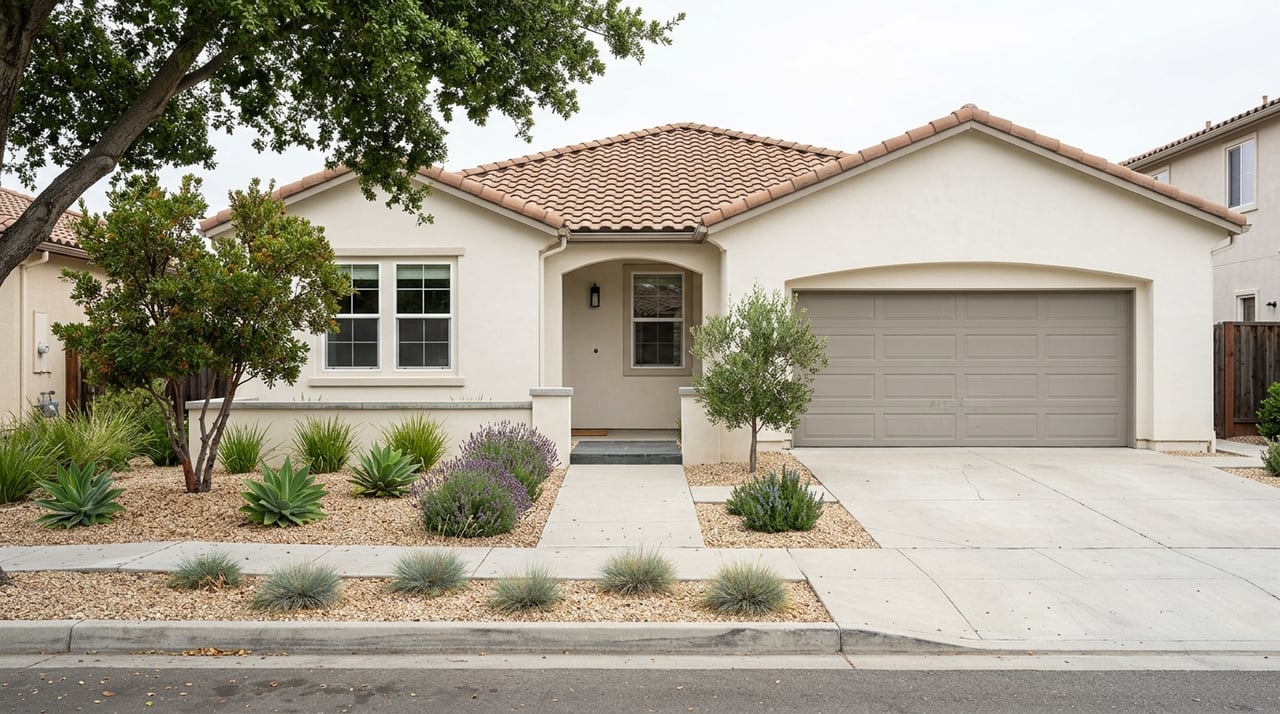
Thinking about a move to Hayward and wondering what daily life actually feels like? That is often the biggest question for buyers early in their search, because a city can look great on a map but function very differently once commuting, errands, and weekend routines enter the picture. The good news is that Hayward offers several distinct ways to live, from transit-connected areas near downtown to more traditional residential neighborhoods. If you want a practical picture of how Hayward is organized and what that means for your day-to-day routine, let’s dive in.
How Hayward Feels Day to Day
Hayward is a mid-sized East Bay city with an estimated 158,440 residents in 2024. According to the U.S. Census QuickFacts, the mean one-way commute time is 32.3 minutes, which helps explain why transportation access matters so much when choosing where to live.
The city describes Hayward as centrally located in the Bay Area, with access to I-880, I-580, Highway 92, Route 238/Mission Boulevard, BART, AC Transit, and Capitol Corridor service through its transportation resources. In real life, that means your experience can vary a lot depending on whether you want rail access, easier freeway connections, or a neighborhood where errands are closer to home.
How Hayward Is Organized
Hayward’s long-term planning paints a pretty clear picture. The city’s General Plan FAQs for residents say most neighborhoods are not expected to see major change through 2040, with most future growth focused in a handful of areas.
Those growth areas include Downtown City Center, the Cannery Transit Neighborhood, the Mission Boulevard Mixed-Use Corridor, the South Hayward BART Mixed-Use Corridor, and the South Hayward BART Urban Neighborhood. For you as a buyer, that creates a helpful way to think about Hayward: some areas are more transit-oriented and mixed-use, while many others remain established residential neighborhoods.
The city also maintains a formal neighborhood-planning framework. Neighborhoods identified in city planning include Burbank, Fairway Park, Glen Eden, Harder-Tennyson, Hayward Highlands, Jackson Triangle, Longwood-Winton Grove, Mission Foothills, Mission-Garin, Mt. Eden, North Hayward, Santa Clara, Southgate, Tennyson-Alquire, Upper B Street, and Whitman-Mocine.
Downtown and BART Living
If you want a more connected, on-the-go lifestyle, downtown Hayward is one of the clearest places to start. BART’s Hayward Station page describes the station as being near a pedestrian-friendly downtown with a mix of housing, shops, offices, and restaurants.
That setup can make daily life feel more flexible. You may have easier access to rail service, dining, small businesses, and civic spaces, which can be especially appealing if you prefer a neighborhood where some routines do not always start with getting in the car.
The city’s Strategic Roadmap adds more color to that picture. It notes that downtown and neighborhood business corridors attract people with locally owned restaurants, music and art, retail, outdoor dining, and public spaces.
One standout weekly ritual is the downtown farmers market. The city says it operates every Saturday year-round from 9 a.m. to 1 p.m. on Watkins between B and C Streets next to City Hall Plaza, just one block from BART. For new residents, that is the kind of detail that helps you imagine an actual weekend routine instead of just a location pin.
South Hayward and Mission Corridor Access
Another major lifestyle pattern shows up in South Hayward and along Mission Boulevard. According to the city’s land use and community character planning, Hayward applies smart-growth principles in areas such as Downtown, the Cannery neighborhood, the South Hayward BART Station Neighborhood, and the Mission Boulevard Corridor.
In practical terms, these are some of the places where mixed-use growth, transit access, and day-to-day convenience overlap most clearly. If you are comparing East Bay locations and want a place where transportation and neighborhood retail are both part of the equation, this area deserves a close look.
The Tennyson Corridor is especially important here. The city describes this three-mile corridor, running from Mission Boulevard to Industrial Boulevard, as a place with restaurants, grocery stores, ethnic markets, and retail shops. That can be a real advantage if you value having errands and dining options woven into your everyday routine.
South Hayward BART also plays a major role in this part of the city. If you expect to rely on transit more often, being near this station can shape everything from your morning commute to how often you need to drive for work or regional trips.
Established Residential Neighborhoods
Not every part of Hayward is built around a transit corridor. Many neighborhoods function more like traditional residential areas, which may appeal to buyers who want a quieter street pattern or a more conventional neighborhood layout.
City planning documents identify areas such as Glen Eden, Longwood-Winton Grove, Mission Foothills, and Upper B Street within the neighborhood framework. At the same time, the city notes in its Bicycle and Pedestrian Master Plan that many Hayward neighborhoods developed under land-use separation rules.
That matters because access to parks, shopping, community services, and other amenities can vary by location. In other words, two homes with similar price points may offer very different daily rhythms depending on how close they are to major corridors, transit, or local business districts.
What Commuting Looks Like
For many buyers, commute planning is where neighborhood choice becomes real. Hayward’s transportation page highlights access to Interstates 880 and 580, Highway 92, and Route 238/Mission Boulevard, giving drivers multiple ways to move through the East Bay and beyond.
Transit riders also have solid options. The city says AC Transit serves corridors including Mission Boulevard, B Street, Meekland/Davis, Whitman/Huntwood, Santa Clara/Weekes Park, Tennyson Road, Hesperian Boulevard, and A Street.
Hayward has two BART stations, Hayward Station and South Hayward Station. The city notes that these stations connect riders to lines serving destinations such as Berryessa/North San Jose, Richmond, Daly City, Millbrae, and SFO, depending on the station.
Hayward is also on the Capitol Corridor rail line. That gives some residents another regional travel option, especially if your schedule or destination fits commuter rail better than freeway driving.
Errands, Shopping, and Dining
Daily convenience often comes down to small things: where you grab groceries, how far you drive for coffee, and whether dinner options are close by after a long day. In Hayward, those routines can look different depending on the neighborhood.
Downtown and neighborhood business corridors provide one version of that lifestyle, with local restaurants, public spaces, and retail. The Tennyson area offers another, with international dining, ethnic markets, independent businesses, and practical shopping options all in the same corridor.
The city has also highlighted newer retail growth. One recent example in the Strategic Roadmap is the Hayward Retail Center at Mission Boulevard and West Harder Road, where Sprouts Farmers Market opened alongside Raising Cane’s, In-N-Out Burger, and Starbucks.
For a new resident, that reinforces a bigger theme. Hayward is not centered around just one type of convenience pattern. Some parts of the city feel more walkable and transit-connected, while others are more drive-oriented but still offer solid access to shopping and dining.
Parks, Trails, and Weekends
Weekend quality of life matters just as much as weekday logistics. Hayward says it has more than 3,000 acres of parks and open space and 20 miles of trails through its parks and recreation resources.
For outdoor space, the broader area offers a lot to explore. East Bay Regional Park District reports that Hayward Regional Shoreline covers 1,841 acres of marshes, wetlands, and public trails, while Garin and Dry Creek Pioneer Regional Parks together cover 5,857 acres and more than 20 miles of trails.
Within the city, the Japanese Garden on North Third Street offers a smaller-scale local destination, and the downtown farmers market adds a regular civic gathering point. These details matter because they help define what weekends can feel like once the move is over and normal life begins.
A Simple Way to Compare Hayward Areas
If you are just starting your search, it helps to think less in terms of finding the single “best” neighborhood and more in terms of matching your routine to the right part of the city. Hayward generally breaks into a few lifestyle patterns:
- Downtown and BART-adjacent areas for more pedestrian-friendly, transit-connected living
- South Hayward and Mission Boulevard corridors for mixed-use growth, neighborhood retail, and transit access
- Established residential neighborhoods for a more conventional residential feel, with access to amenities varying by location
That framework is often more useful than looking at a map alone. It helps you narrow your search based on how you actually live, commute, and spend your weekends.
What This Means for Homebuyers
If you are moving to Hayward from another part of the Bay Area, or from outside the region, your best next step is to define your daily priorities before you focus on listings. Commute style, transit needs, errands, and recreation can all shape which area feels most practical.
For some buyers, being near BART and downtown activity will be the biggest plus. For others, access to major roads, neighborhood retail, or a more traditional residential setting will matter more.
The key is knowing that Hayward offers several different everyday experiences within one city. Once you understand that, it becomes much easier to sort through neighborhoods with confidence and focus on the areas that best match your goals.
If you want help comparing Hayward neighborhoods with nearby East Bay options or narrowing your home search based on commute, lifestyle, and budget, Moni Shah is here to help with thoughtful, personalized guidance.
FAQs
What is daily life like for new residents in Hayward?
- Daily life in Hayward depends a lot on location, with downtown and BART-adjacent areas feeling more transit-oriented, South Hayward and Mission Boulevard offering strong mixed-use convenience, and other neighborhoods providing a more traditional residential pattern.
Which Hayward areas are most connected to BART and transit?
- Downtown Hayward near Hayward Station and the South Hayward area near South Hayward BART are the city’s clearest transit-connected areas, supported by BART, AC Transit, and regional transportation links.
What is the commute like from Hayward for East Bay residents?
- According to the U.S. Census, the mean one-way commute time in Hayward is 32.3 minutes, and the city offers access to I-880, I-580, Highway 92, Route 238/Mission Boulevard, BART, AC Transit, and Capitol Corridor service.
What kinds of shopping and dining options do Hayward residents have?
- Hayward offers a mix of downtown restaurants and retail, neighborhood business corridors, the Tennyson Corridor’s grocery stores and markets, and newer retail options such as the Hayward Retail Center at Mission Boulevard and West Harder Road.
What parks and outdoor spaces can new Hayward residents enjoy?
- Hayward offers more than 3,000 acres of parks and open space, 20 miles of trails, and access to destinations such as Hayward Regional Shoreline, Garin Regional Park, Dry Creek Pioneer Regional Park, and the Japanese Garden in the city.
How should homebuyers compare Hayward neighborhoods?
- A helpful way to compare Hayward neighborhoods is by looking at your daily routine first, including commute needs, transit access, errands, and weekend recreation, since access to amenities varies across the city.