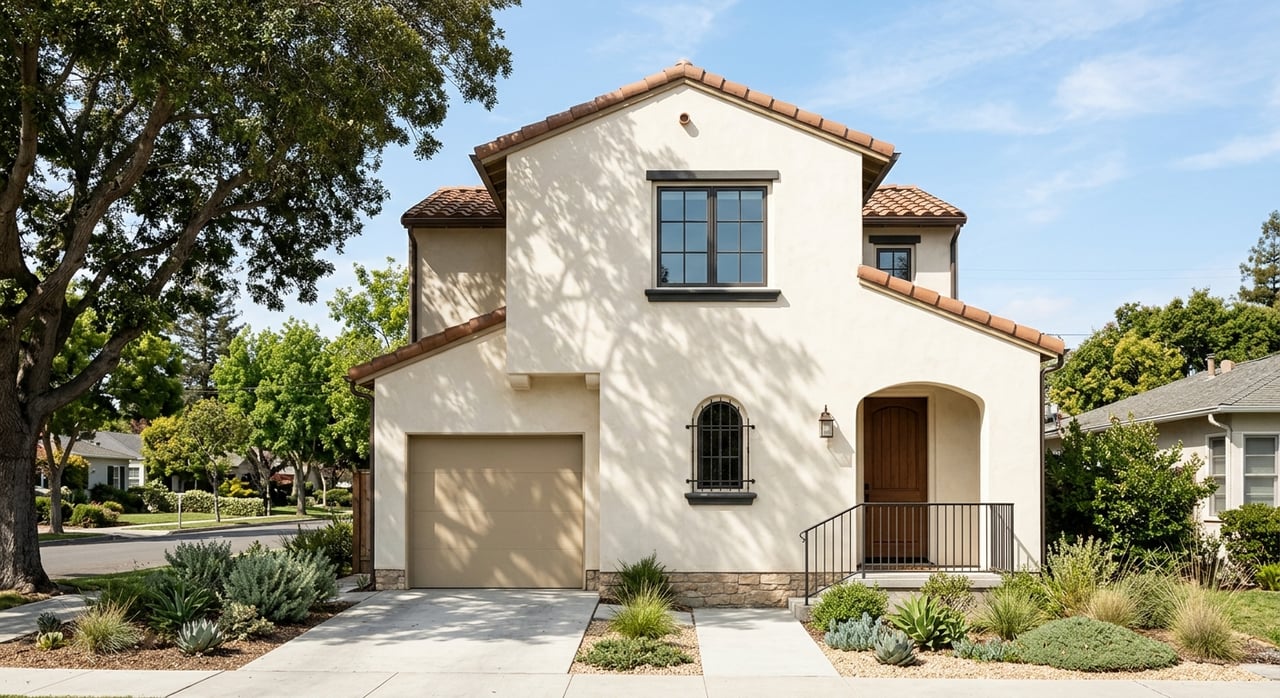
Choosing between a townhome and a house in Fremont is not just about square footage. It is about how you want to live, what you want to spend each month, and how much control you want over your property. If you are weighing both options, this guide will help you compare price, upkeep, privacy, and ownership structure so you can make a smarter decision with more confidence. Let’s dive in.
Why This Choice Matters in Fremont
Fremont is not one single, uniform housing market. The city’s General Plan breaks Fremont into Community Plan Areas such as Centerville, Irvington, Mission San Jose, Niles, North Fremont, South Fremont, Warm Springs, Central, Baylands, and Bayside Industrial.
That matters because housing types tend to cluster differently across the city. The plan notes that areas near BART and major transit corridors may change more dramatically, while many other neighborhoods are expected to evolve more slowly. In practical terms, attached homes like townhomes are often easier to find in more urban, transit-accessible parts of Fremont.
Fremont also remains a fast-moving market. As of March 2026, the citywide median sale price was $1.515 million, and homes were selling in about 13 days on average. That pace makes it even more important to decide early which property type fits your budget and lifestyle.
Fremont Townhome vs House at a Glance
For many buyers, the real question is not which option is better overall. It is which option is better for you.
A townhome may give you a lower entry point into Fremont, especially if you want to stay in a convenient location or keep your purchase price closer to the high-$800,000s to low-$1 million range. A detached house may offer more privacy and more direct control, but often at a much higher price point.
Here is the simplest way to think about it:
- Townhome: Lower entry price in many parts of Fremont, shared maintenance, HOA membership, and more community rules
- Detached house: Higher purchase price in many neighborhoods, more private-lot control, no HOA in a standard subdivision, and more maintenance responsibility
What Townhomes Cost in Fremont
Current attached-home pricing in Fremont often lands in the lower-to-mid price bands compared with detached homes. Visible townhome listings have recently appeared around $819,000, $849,000, $884,800, $929,000, $975,000, roughly $998,000 to $1.2 million, $1.35 million, and $1.588 million, with a broader snapshot ranging from about $688,000 to $1.65 million.
Citywide townhome search results show roughly 50 to 60 listings with a median listing price near $1.1 million. That range gives buyers more flexibility, especially if you are trying to enter the Fremont market without stretching into detached-home pricing.
Some neighborhood-level examples help show the pattern:
- Centerville townhomes: median listing price about $884,000
- Irvington townhomes: median listing price about $1.08 million
- North Fremont townhomes: median listing price about $1.08 million
For first-time buyers, these numbers often make townhomes one of the more realistic ways to buy in Fremont.
What Detached Houses Cost in Fremont
Detached-home pricing in Fremont tends to move up quickly, especially in neighborhoods where demand is strong. Recent median sale prices show about $1.32 million in Irvington, $1.552 million in North Fremont, $1.796 million in Warm Springs, and $1.82 million in Mission San Jose.
Active house listings across Fremont also show many homes clustered around $1.2 million to $2 million, with higher-end listings above $3 million and at least one above $6 million. That means a detached home can offer more space and independence, but it often comes with a much larger upfront investment.
The difference can be especially striking within the same area. In Warm Springs, recent sold homes included an attached 2-bedroom, 2-bath home at $580,000, while detached homes sold for $1.75 million, $1.9 million, $2.3 million, and $2.8 million. In Centerville, detached sales reached $1.85 million and $2.08 million, while the townhome median listing price was about $884,000.
Look Beyond Price Alone
It is easy to focus only on the purchase price, but that can lead to the wrong decision. In Fremont, a better comparison is total monthly cost, upkeep tolerance, privacy, and comfort with HOA governance.
A townhome with a lower list price may still come with monthly dues, shared rules, and potential assessments. A detached house may cost more to buy, but it could give you more flexibility and fewer shared obligations depending on the subdivision structure.
If you are comparing both, ask yourself:
- How much monthly payment feels comfortable?
- Do you want lower-maintenance living?
- How important is private outdoor space?
- Are you comfortable with HOA rules and fees?
- Do you want more freedom to make exterior changes?
How Ownership Works in California
This is one of the most important parts of the decision. In California, buying a townhouse in a common interest development automatically makes you a member of the homeowners association.
That HOA is governed by documents such as CC&Rs, bylaws, and operating rules. It can collect regular dues and may also levy assessments. So when you buy a townhome in that structure, you are not just buying the unit. You are also agreeing to a shared ownership and governance model.
The California Department of Real Estate distinguishes this from a standard subdivision, where one homeowner owns all land and buildings and there is no common area. In practical terms, that often means a detached-home buyer has more direct control over the lot, while a townhome buyer may trade some autonomy for shared maintenance and community management.
What an HOA Can Mean for You
An HOA is not automatically a positive or a negative. It is simply something you need to understand clearly before you buy.
In many townhome communities, the HOA may handle parts of exterior maintenance, shared landscaping, and common-area upkeep. That can make day-to-day ownership feel easier, especially if you prefer a more streamlined lifestyle.
At the same time, HOA rules can affect what you can do with the property. Fees can change, use restrictions may apply, and reserve funding matters because underfunded associations may face financial pressure later.
Before you commit, it is smart to ask:
- What do the monthly dues cover?
- How often have dues increased?
- Are there special assessments now or being discussed?
- Are reserves strong?
- Are there rental caps or other use restrictions?
- Who handles exterior repairs?
- What parts of the property are your responsibility?
Required Disclosures to Review
California law requires important HOA-related disclosures before closing. Buyers must receive governing documents, current assessment information, rental restriction disclosures if any, and the most recent inspection report. Board minutes must also be provided on request, and annual budget materials must include reserve information.
This is where careful review matters. Two homes with similar list prices can feel very different once you factor in dues, reserves, and restrictions.
If you are buying new construction, there is one more key step. Ask for the California Department of Real Estate public report before you become obligated to buy.
When a Townhome May Be the Better Fit
A townhome may be the better choice if your main goal is getting into Fremont at a lower price point while staying mindful of monthly ownership costs. It can also make sense if you want less hands-on exterior maintenance or prefer living in an area closer to transit and town-center activity.
This option often appeals to first-time buyers, busy professionals, and some investors who want a more accessible entry into the market. Fremont’s attached-home pricing, especially in places like Centerville, Irvington, and North Fremont, supports that path for many buyers.
A townhome may be a strong fit if you want:
- A lower entry price than many detached homes
- A more manageable maintenance routine
- Access to neighborhoods where attached homes are more common
- A simpler way to buy in Fremont without jumping straight to detached-home pricing
When a Detached House May Be the Better Fit
A detached house usually makes more sense when privacy, space, and control matter most to you. If you want more direct say over the exterior, the yard, and the overall property, a house may better match your long-term goals.
This path often fits move-up buyers who are ready for a larger purchase and are comfortable taking on more maintenance. In Fremont, detached homes are often the stronger match for buyers who want private-lot living and accept the higher purchase prices that come with it.
A detached house may be a strong fit if you want:
- More privacy from neighbors
- More direct control over the lot and exterior
- Fewer shared-property rules
- More room to grow into the home over time
A Practical Fremont Decision Framework
If you are stuck between the two, start with a simple framework instead of chasing every new listing. The goal is to narrow your best fit before you fall in love with a home that does not really match your needs.
Use these four filters:
1. Compare total monthly cost
Do not stop at the mortgage. Add HOA dues, insurance considerations, and likely maintenance responsibilities so you can compare the real cost of ownership.
2. Measure your maintenance tolerance
Think honestly about how involved you want to be. Some buyers love the control of a detached home, while others value having shared exterior upkeep handled through an HOA.
3. Decide how much privacy you want
Shared walls, common areas, and HOA oversight can feel perfectly fine for one buyer and limiting for another. Your comfort level matters.
4. Review the ownership structure carefully
Make sure you understand whether the home is in a standard subdivision or a common interest development. That legal structure affects your rights, responsibilities, and monthly obligations after closing.
The Right Answer Depends on Your Next Chapter
There is no one-size-fits-all answer in Fremont. A townhome can be a smart, strategic way to buy into the city, especially when detached-home prices climb quickly. A house can be the better long-term fit if you want more space, privacy, and control and you are ready for the higher cost and upkeep.
The best move is the one that fits your finances, your lifestyle, and your comfort with the ownership model. When you look at the numbers and the day-to-day realities together, the right choice usually becomes much clearer.
If you want help comparing Fremont townhomes and houses based on your budget, goals, and preferred neighborhoods, Moni Shah can guide you with local insight and personalized support.
FAQs
What is the main difference between owning a Fremont townhome and a Fremont house?
- In many Fremont townhome purchases, you become part of an HOA in a common interest development, while a detached house in a standard subdivision usually gives you direct ownership of the lot and building without shared common-area governance.
Are townhomes usually cheaper than houses in Fremont?
- Often, yes. Current Fremont townhome pricing commonly falls from the high-$800,000s to low-$1 million range in several areas, while many detached-home submarkets are in the $1.3 million to $1.8 million range and above.
What HOA documents should you review before buying a Fremont townhome?
- You should review the governing documents, current assessment information, any rental restriction disclosures, the most recent inspection report, and budget materials that include reserve information.
Where are townhomes more likely to be found in Fremont?
- Fremont’s planning framework suggests attached homes are more likely to cluster in more urban and transit-accessible areas, especially near BART, major transit corridors, and town centers such as Centerville, Irvington, Mission San Jose, Niles, and Warm Springs.
How should you compare a Fremont townhome and a Fremont house?
- Compare total monthly cost, HOA dues, maintenance responsibility, privacy, exterior control, and the legal ownership structure rather than looking at list price alone.